
Exploring Sites That Are Not Available: Understanding the Implications
In our interconnected world, the internet provides access to a plethora of websites and online services. However, there are also several sites that are not available for various reasons. Understanding which sites are not on and why can give us better insights into internet accessibility and regulation. For example, in the gaming industry, players often seek which sites are not on GamStop? fair casinos not on GamStop that can provide them with alternative gaming experiences. This article aims to explore some common scenarios where websites may not be accessible, focusing on their implications for users and the broader digital landscape.
1. Government Regulations and Censorship
One of the primary reasons why certain websites may not be available is due to government regulations and censorship. In some countries, access to specific websites may be restricted because of political, cultural, or legal considerations. For instance, websites promoting free speech or opposing government narratives can be targeted and blocked. This censorship can limit users’ ability to access information and participate in global dialogues.

2. Regional Restrictions
Many websites employ regional restrictions to control access to their content based on the user’s location. This practice is often seen with streaming services, online gaming platforms, and e-commerce sites. Companies may choose to limit access to their websites to comply with local laws or to cater to specific markets. Consequently, users traveling abroad may encounter difficulties when trying to access their favorite services.
3. Site Shutdowns and Mergers
Over time, websites may go offline permanently or temporarily due to various reasons such as financial difficulties, lack of user engagement, or mergers with other companies. When a site shuts down, users lose access to its resources, which can have considerable implications, especially in the fields of e-commerce or content hosting. Mergers can also lead to the discontinuation of specific services, effectively removing once-popular sites from the internet landscape.
4. Technical Issues and Server Problems
Sometimes, a website may not be accessible due to technical issues such as server downtime or hacking incidents. Cyberattacks, like Distributed Denial of Service (DDoS) attacks, can render a site unreachable for a considerable period. These situations are often temporary but can cause a loss of trust in the website, particularly if it often faces reliability issues.
5. User Privacy Considerations
In some cases, sites may not be accessible due to user privacy concerns, especially when it comes to online gambling or adult content. Various countries have laws prohibiting certain activities, leading to the establishment of networks of sites that comply with local laws. For example, players may seek out fair casinos not on GamStop to avoid restrictions imposed by gaming regulations in their region.
6. The Importance of VPNs
Given the numerous reasons why certain websites are not accessible, many users have turned to Virtual Private Networks (VPNs) to bypass regional restrictions and censorship. VPNs allow users to mask their IP addresses, enabling them to access content that may otherwise be unavailable in their geographic locations. While this can be an effective workaround, users must also consider the legal implications of bypassing regional restrictions.
7. The Role of User Demand
User demand plays a significant role in the availability of websites. If a significant number of users express interest in a specific service or site, companies may be incentivized to either expand their reach or introduce new features that cater to those demands. This dynamic illustrates the importance of community interest in shaping the internet landscape.
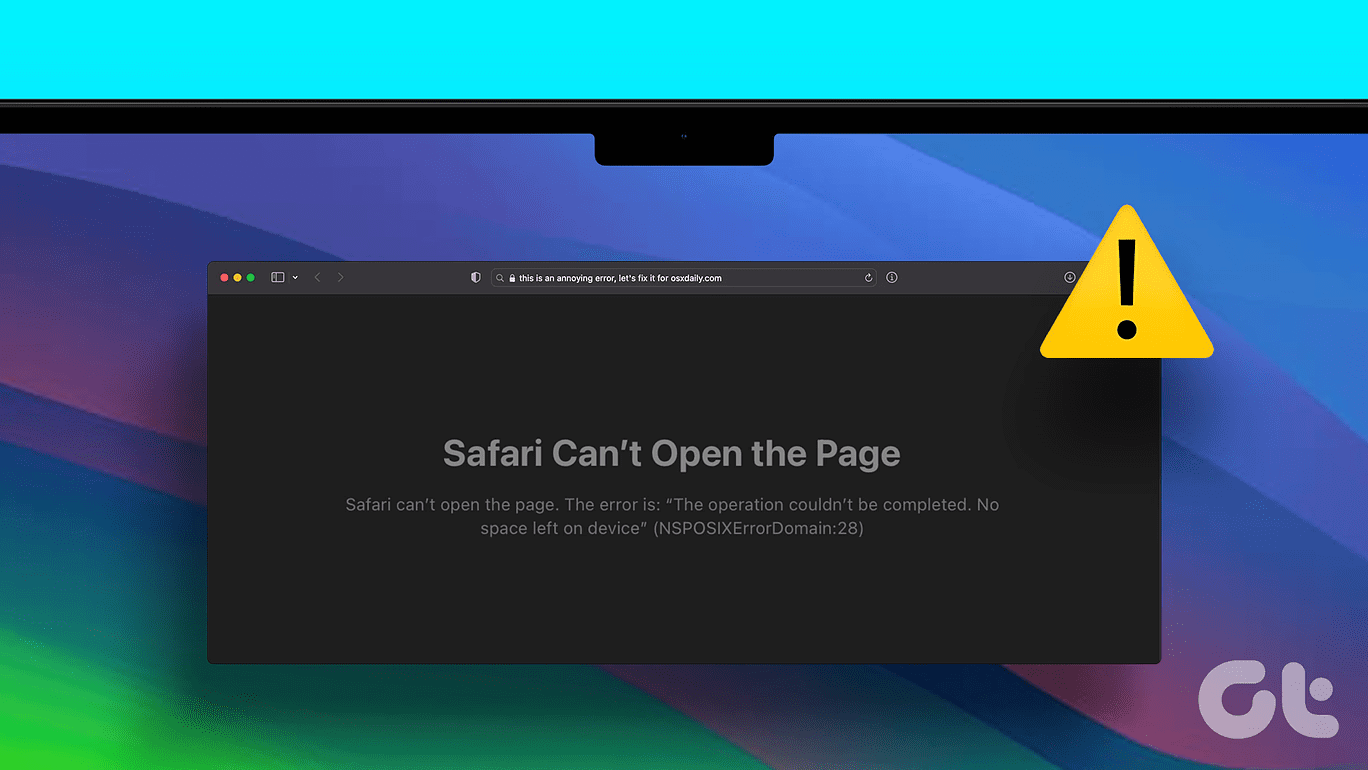
8. The Future of Site Accessibility
As technology evolves, the landscape of site accessibility will continue to change. Innovations such as decentralized web technologies may provide alternative means of accessing information and services, potentially reducing censorship and regional restrictions. At the same time, the need for regulations to protect users remains imperative. The balance between accessibility, regulation, and user safety will be a significant conversation as we move forward in the digital age.
Conclusion
The inaccessibility of certain websites can stem from a myriad of factors, including government regulations, regional restrictions, and technical issues. Users must navigate these obstacles while remaining aware of the potential impacts on their online experiences. Continuously monitoring the digital landscape allows users to adapt and find alternatives, fostering a more robust and accessible internet for everyone.